




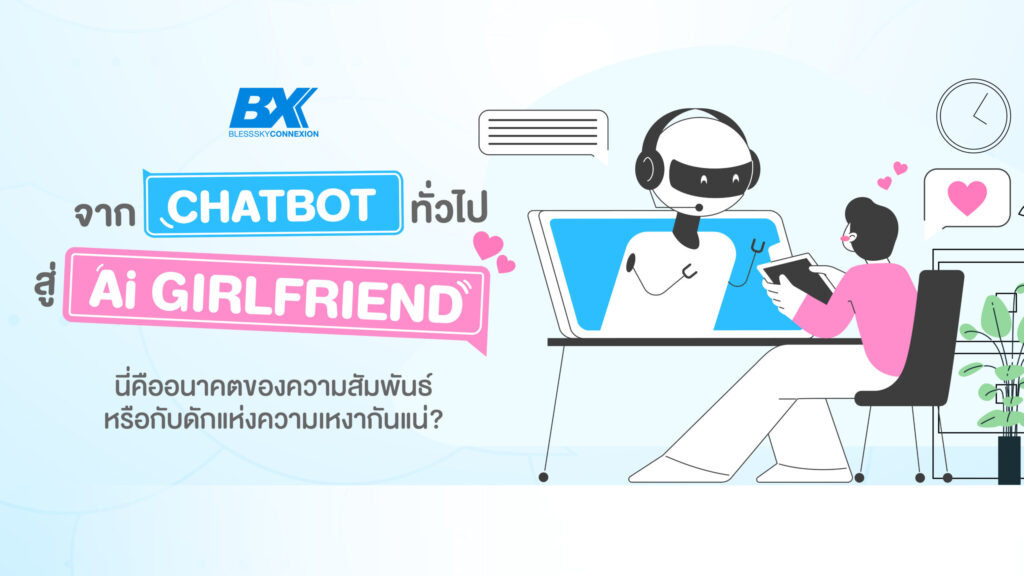
AI: True Companion or Just a Program? When Relationships Enter the Virtual Realm
“Loneliness is no longer an issue—today, AI can be your thinking partner, your virtual romantic interest, always there to chat, listen, and adapt to your lifestyle. But can AI truly fill the human need for connection?”
What Are AI Friends & AI Girlfriends?
AI Friends and AI Girlfriends are smart chatbots designed to converse, learn, and grow alongside you in real time. They:
- Remember past conversations and adapt their personality to suit your mood.
- Offer emotional support, mimicking a close friend or romantic partner.
- Go beyond simple Q&A, forging a sense of rapport that feels personal.
How Did AI Companions Evolve?
- Early Chatbots
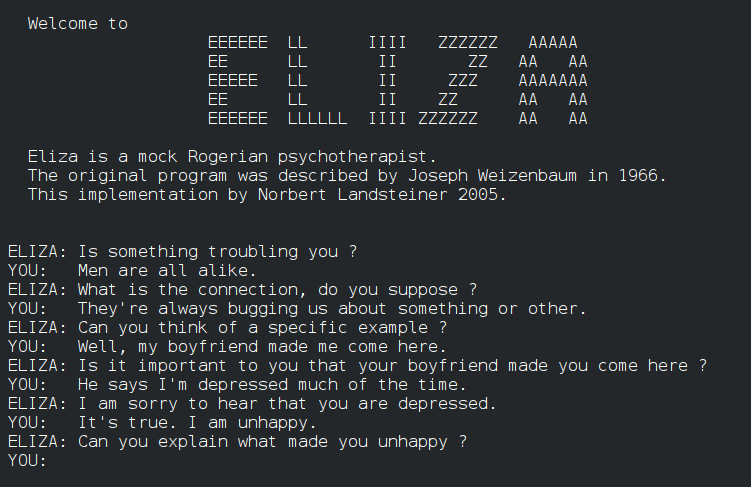
- ELIZA (1966): The first “therapeutic” chatbot, simulating basic counseling conversations.
- Voice Assistants
- Siri (2011), Google Assistant (2016): Introduced the idea of AI that actually talks back.
- Emotional Companions
- Replika (2017): The first app focused on emotional friendship.
- Character.AI (2022): Let users build their own personalized AI personas.

Google Assistant

Replika AI

Apple Siri

Character AI
The Technology Behind the Magic
- Deep Learning & NLP: Enables natural, human-like conversation.
- Text-to-Speech & Speech-to-Text: Allows voice-based interaction.
- Personalization Engines: Tailor AI tone and style to your preferences.
- Metaverse & VR Integration: Brings AI friends into immersive virtual spaces.
Impact on Mental Health & Society
| Benefits | Risks |
|---|---|
| Provides emotional support for loneliness | May encourage social withdrawal |
| Helps users practice conversation skills | Overreliance can weaken real-world social skills |
| Reduces isolation for the elderly or homebound | Blurs lines between virtual and real relationships |
Ethical & Moral Questions
- Should AI “show” emotions when it doesn’t truly feel?
- How is your personal data protected once it’s stored by AI?
- Where’s the line before an AI relationship becomes misleading or exploitative?
Misuse Case Studies
- Replika controversies: Reports of inappropriate or manipulative dialogues.
- Political chatbots: Some AIs have been weaponized to spread disinformation.
- Deepfakes: AI-generated video or audio impersonations of public figures.
Cultural Perspectives
- Japan:
- Virtual companions and digital idols (e.g., Hatsune Miku) thrive amid declining birth rates and urban loneliness.
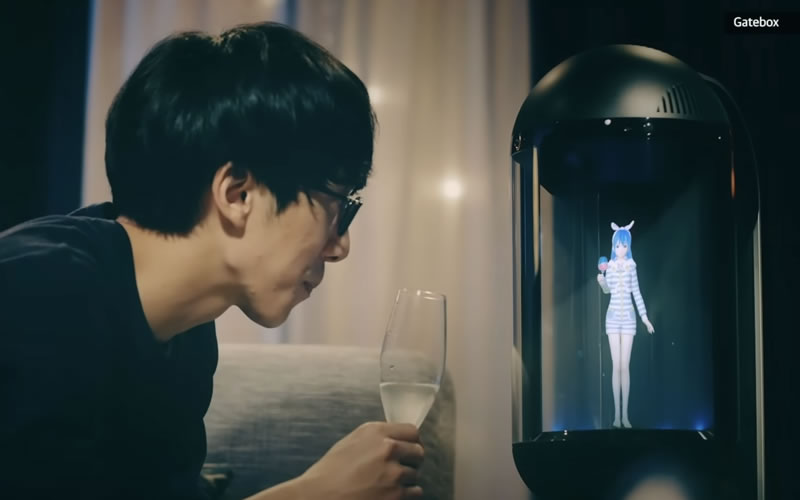
- Products like Gatebox let users talk to “live” holographic partners.
- Western Countries (US, Europe):
- AI friends help people with social anxiety practice conversation.
- Used as mental-health coaches or no-strings-attached conversational partners.
- Privacy and data-use concerns remain high.
- China:
- Strong government oversight governs AI development and data protection.
- Tech giants like Baidu and Tencent explore AI companions under strict regulations.

Hatsune Miku
Hatsune Miku

Tencent AI

Baidu AI
Legal & Regulatory Landscape
- EU (GDPR): Enforces personal-data privacy for AI interactions.
- South Korea: Debates new laws around AI relationships and user rights.
- Saudi Arabia: Cultural and religious norms restrict romantic AI uses.
Social Values & Shifts
Positive Shifts:
- Alleviates depression and loneliness
- Provides safe space for emotional expression
Challenges:
- May erode traditional human relationship values
- Sparks ethical debates on AI’s role in society
Future Trends
- Even richer emotional AI, capable of deeper empathy.
- Full VR/Metaverse integration for lifelike interactions.
- AI health and psychology advisors.
- Stricter global regulations governing AI companions.
- Evolution toward fully fledged AI romantic partners.
Conclusion
AI Friends and AI Girlfriends are more than temporary fads—they mark a new era of human-technology relationships. While they offer comfort, companionship, and skills practice, they also pose ethical, social, and psychological challenges. The key questions remain:
- How much emotional role should AI play?
- What safeguards are needed to ensure healthy balance between virtual companionship and real-life connections?
As this space evolves, thoughtful design, clear regulations, and ongoing dialogue will be essential to harness AI’s benefits without losing our humanity.